

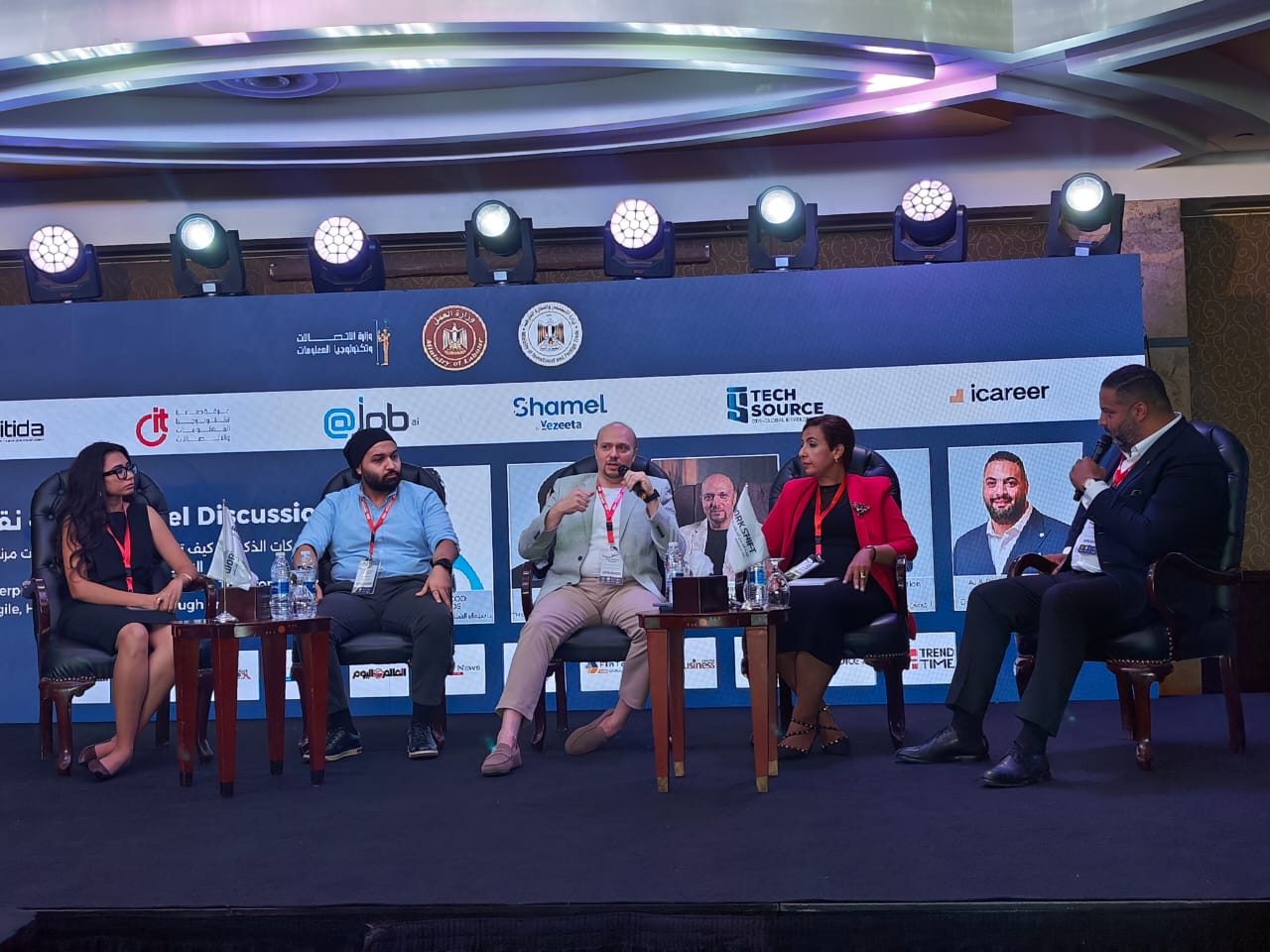
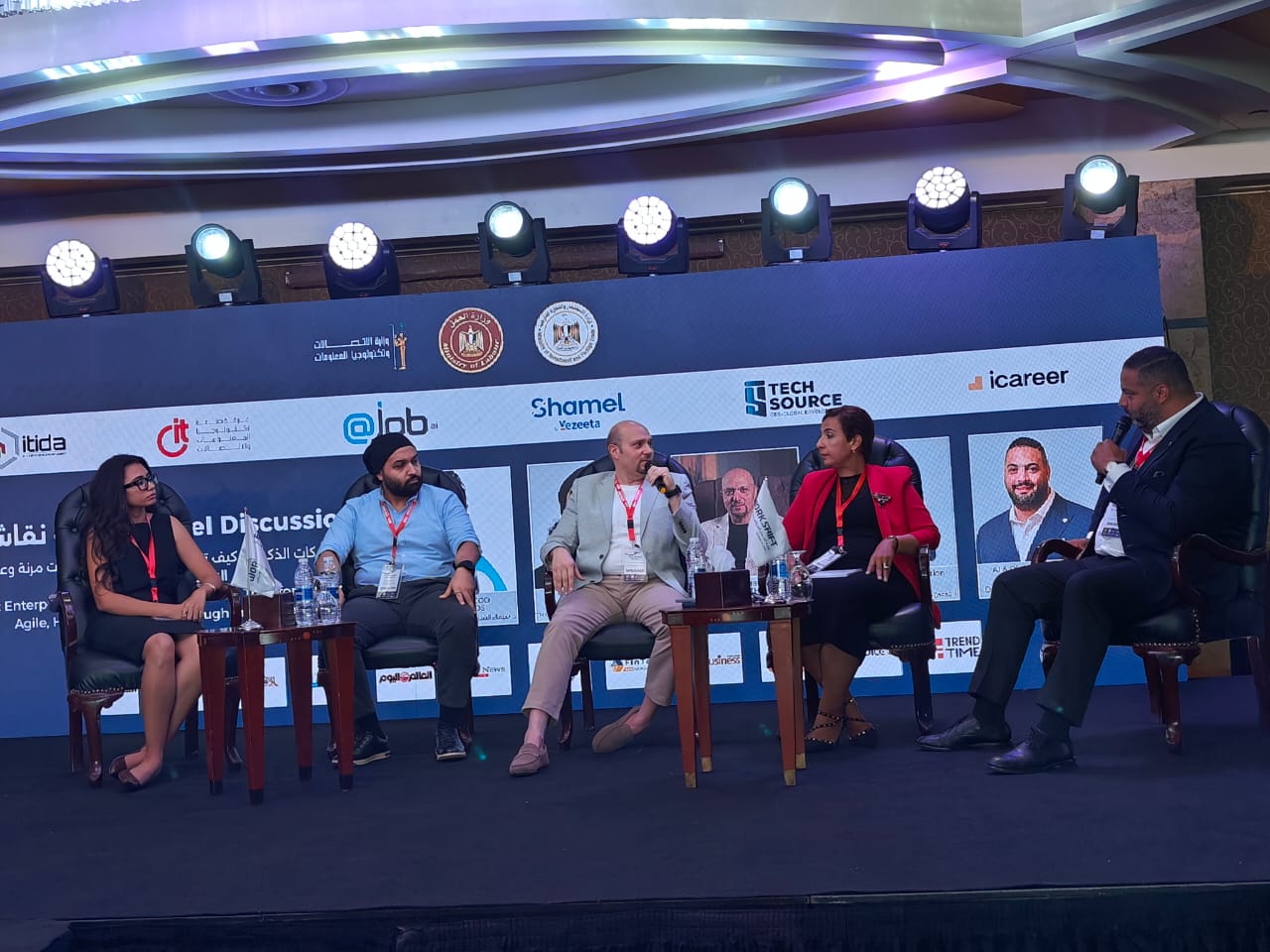
أكد المشاركون في جلسة “المؤسسات الذكية.. كيف تتحول المؤسسات إلى مراكز عمل مرنة وعالية الإنتاجية بالاعتماد على العاملين المستقلين؟”، ضمن فعاليات قمة WorkShift 2026، أن التحول الرقمي والاعتماد على نماذج العمل المرن أصبحا من أهم عوامل تعزيز تنافسية المؤسسات، مشددين على أن التكنولوجيا والذكاء الاصطناعي يعيدان تشكيل بيئة الأعمال، وأن الكفاءات المستقلة تمثل أحد أهم محركات النمو والإنتاجية خلال المرحلة المقبلة.
وأدار الجلسة الدكتور حامد عطوة، مستشار الذكاء الاصطناعي والتحول الرقمي، الذي أكد أن المؤسسات الذكية لم تعد تقاس بعدد موظفيها، بل بقدرتها على توظيف التكنولوجيا واستقطاب أفضل الكفاءات أينما كانت، بما يحقق أعلى مستويات المرونة والكفاءة التشغيلية.
وقالت جرمين دمبكلي، مديرة تطوير الأعمال، إن استدامة العلاقة بين صاحب العمل والعامل المستقل تمثل أحد أهم عوامل نجاح نماذج العمل الحديثة، مؤكدة أن التحول الرقمي أصبح واقعًا لا غنى عنه في مختلف القطاعات. وأضافت أن الاعتماد على الأنظمة التقليدية يحد من قدرة المؤسسات على التطور، بينما تتيح الحلول الرقمية بيئة أكثر مرونة تساعد الشركات على الاستفادة من الكفاءات المتخصصة داخل مصر وخارجها.
ومن جانبه، أكد محمد أبو الغيط، المؤسس والرئيس التنفيذي لشركة TechieMatter، أن مصر تمتلك واحدة من أقوى قواعد الكفاءات الرقمية في المنطقة، وهو ما يجعلها مؤهلة لتكون مركزًا رئيسيًا لتصدير المهارات الرقمية. وأوضح أن نجاح العامل المستقل في المجالات التكنولوجية يعتمد على تنويع مصادر الدخل، والاقتراب من احتياجات العملاء، وتطوير المهارات بصورة مستمرة لمواكبة المتغيرات السريعة في سوق العمل.
وأشار المهندس هيثم منصور، مؤسس شركة THOTH والمدير الإقليمي لشركة Bolt، إلى أن القدرة على العمل في أسواق متعددة أصبحت من أهم عوامل نجاح المستقلين، موضحًا أن نماذج العمل التقليدية لم تعد قادرة على مواكبة المتغيرات الحالية، بينما أثبتت نماذج العمل المرن كفاءتها في تحقيق معدلات أعلى من الإنتاجية والنمو. وأضاف أن الإنترنت والذكاء الاصطناعي أصبحا عنصرين أساسيين في مختلف المهن، ما يستدعي دمجهما بصورة أكبر في برامج التعليم والتدريب لإعداد كوادر قادرة على المنافسة عالميًا.
وأكدت الدكتورة شيماء الشناوي، نائب الرئيس التنفيذي والمدير التنفيذي للعمليات بشركة Tech Source، أن نجاح منظومة العمل الحر يتطلب تكامل الأدوار بين الحكومة والقطاع الخاص والجامعات ومقدمي خدمات العمل الحر، مشيرة إلى أن بناء الإنسان وتطوير مهاراته يمثلان حجر الأساس للتحول نحو الاقتصاد الرقمي.
وأضافت أن تنمية مهارات الاتصال والإدارة والعمل الجماعي يجب أن تبدأ منذ المراحل التعليمية المختلفة، مؤكدة أن نماذج العمل التقليدية القائمة على الحضور والانصراف لم تعد مناسبة للعديد من الوظائف الإبداعية والمعرفية، مثل التسويق والتصميم وتطوير البرمجيات، التي تعتمد على الابتكار وجودة المخرجات أكثر من ارتباطها بمكان أو ساعات العمل.
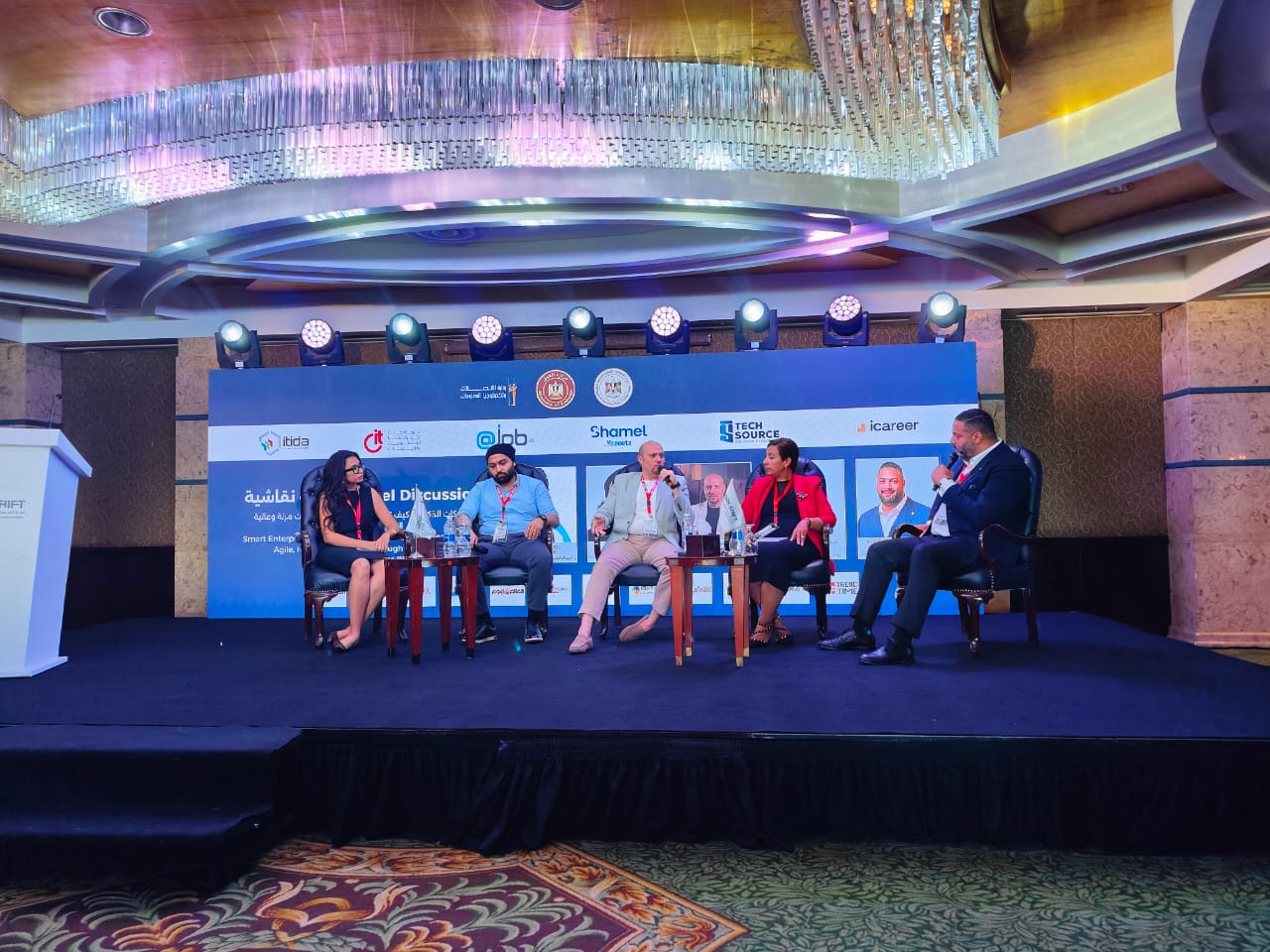
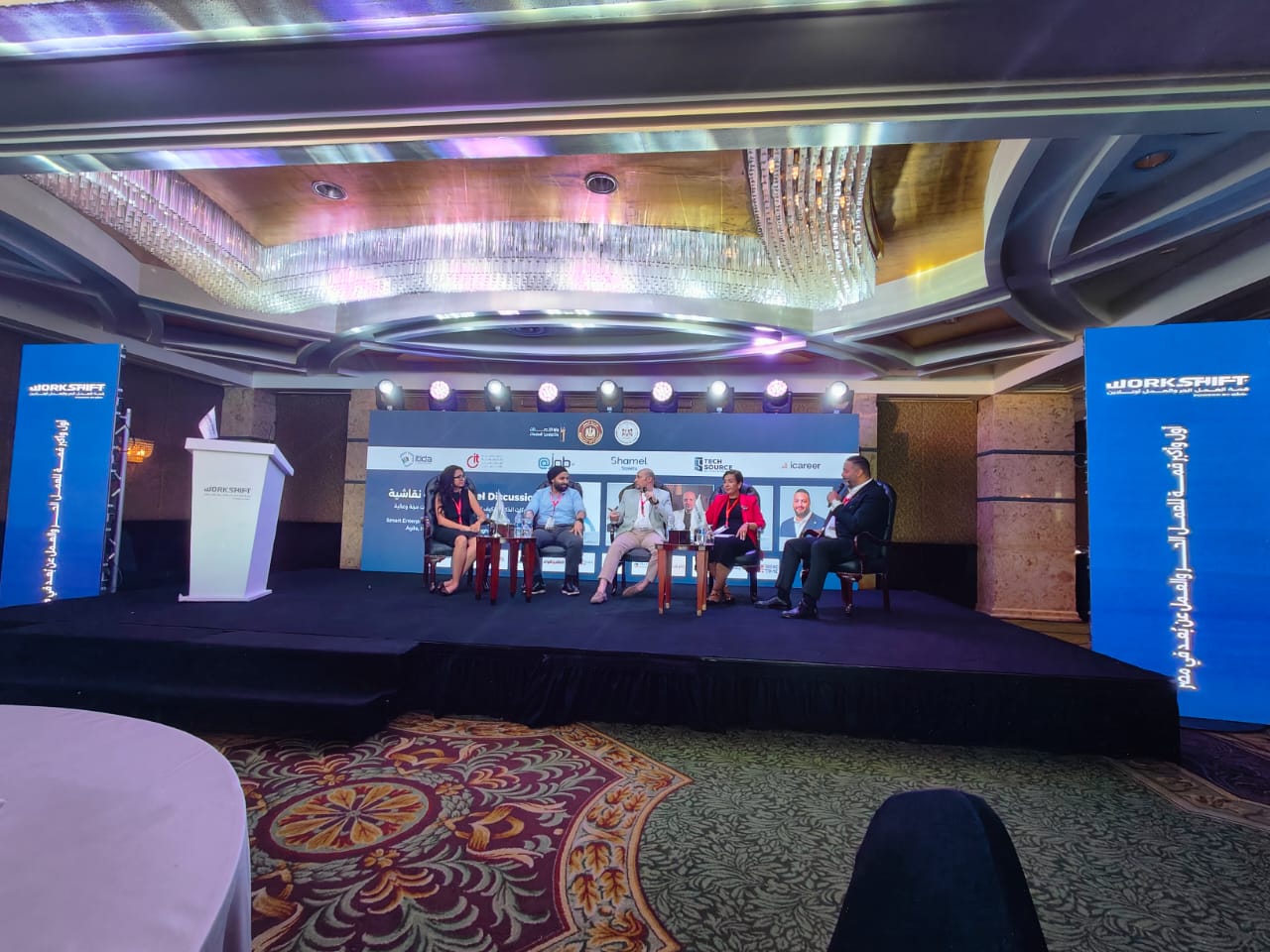
واختتم المشاركون الجلسة بالتأكيد على أن المؤسسات التي تتبنى نماذج العمل المرن، وتستثمر في التكنولوجيا والذكاء الاصطناعي وتنمية المهارات، ستكون الأكثر قدرة على المنافسة خلال السنوات المقبلة، مشددين على أن مصر تمتلك المقومات اللازمة لتصبح مركزًا إقليميًا للعمل الحر وتصدير الخدمات الرقمية إذا ما استمرت جهود التكامل بين الحكومة والقطاع الخاص والمؤسسات التعليمية.
WorkShift 2026 Summit: Experts Call for Greater Organizational Agility Through Technology and Freelance Talent
Participants in the session titled “Smart Organizations: How Can Companies Transform into Agile, High-Productivity Workplaces Through Freelance Talent?”, held as part of WorkShift 2026, emphasized that digital transformation and flexible work models have become essential drivers of organizational competitiveness. They highlighted that technology and artificial intelligence are reshaping the business landscape, while independent professionals are emerging as key contributors to productivity and sustainable growth.
The session was moderated by Dr. Hamed Atwa, AI and Digital Transformation Advisor, who noted that truly smart organizations are no longer measured by the size of their workforce, but by their ability to leverage technology and attract top talent regardless of geographical location, enabling greater operational flexibility and efficiency.
Germine Dembekly, Business Development Director, stressed that maintaining sustainable relationships between employers and freelancers is one of the cornerstones of successful modern work models. She explained that digital transformation is no longer optional but has become a fundamental requirement across all industries. According to Dembekly, relying on traditional systems limits organizations’ ability to evolve, while digital solutions provide the flexibility needed to access highly specialized talent both inside and outside Egypt.
For his part, Mohamed Abou El Gheit, Founder and CEO of TechieMatter, stated that Egypt possesses one of the strongest pools of digital talent in the region, positioning the country as a potential regional hub for exporting digital skills. He explained that success in freelance technology careers depends on diversifying income sources, staying close to clients’ needs, and continuously upgrading skills to keep pace with the rapidly evolving digital economy.
Meanwhile, Eng. Haitham Mansour, Founder of THOTH and Regional Director of Bolt, pointed out that the ability to operate across multiple markets has become a decisive factor for freelance professionals. He argued that conventional employment models are no longer capable of keeping pace with today’s dynamic business environment, whereas flexible work models have consistently demonstrated higher levels of productivity and growth. He added that both the internet and artificial intelligence have become indispensable across virtually all professions, making their integration into education and training programs essential for preparing globally competitive talent.
Dr. Shaimaa El Shenawy, Deputy CEO and Chief Operating Officer of Tech Source, emphasized that building a successful freelance ecosystem requires close collaboration among government entities, the private sector, universities, and freelance service providers. She underlined that investing in people and developing their capabilities is the foundation of Egypt’s transition toward a competitive digital economy.
She also highlighted the importance of developing communication, management, and teamwork skills from early educational stages, noting that traditional workplace models based solely on attendance and fixed working hours are no longer suitable for many knowledge-based and creative professions such as marketing, design, and software development, where innovation and quality of outcomes matter more than physical presence.
The session concluded with a consensus that organizations embracing flexible work models, investing in digital technologies and artificial intelligence, and continuously developing human capital will be best positioned to compete in the years ahead. Participants agreed that Egypt has all the necessary foundations to become a regional hub for freelancing and digital service exports, provided that collaboration between government, the private sector, and educational institutions continues to deepen.